Make the yard pile make sense.
BinWise helps define the branches, leaves, brush and outdoor debris in the pile—then maps the safest route from yard to trailer.
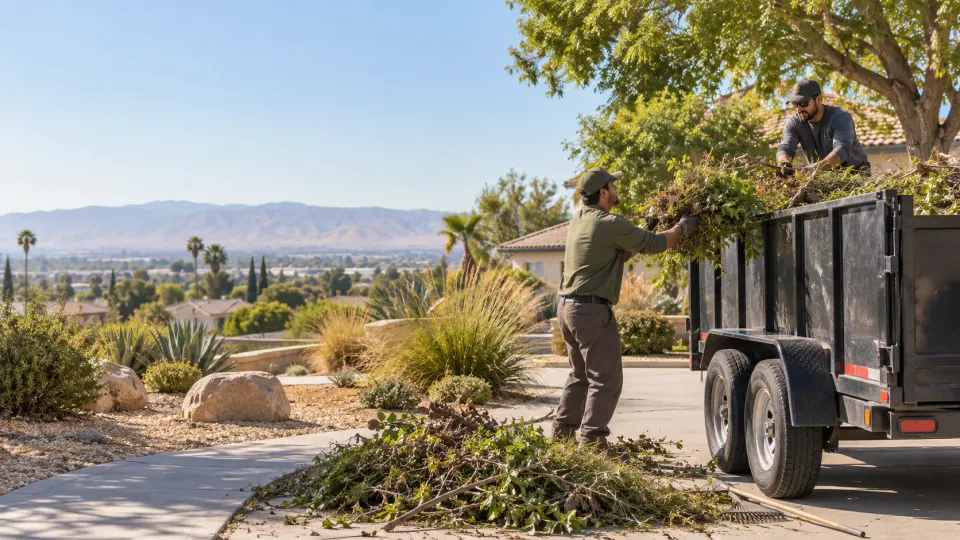
Dry leaves fill space. Wet grass adds weight. Branches create air and awkward angles.
The estimate starts with what is actually present, not a generic yard-waste label. Keep soil, treated wood, household trash and hazardous material separate until the correct route is confirmed.
Choose what is in the yard.

Yard Debris Removal
Clear approved branches, leaves, brush and lawn trimmings after routine outdoor work.

Branch Removal
Plan pickup for pruned limbs, small logs and bundled branches after trimming.
Leaf Removal
Remove bagged or contained leaves and light seasonal yard litter.
Brush Removal
Clear hedge cuttings, vines, thorny shrubs and tangled garden growth after cutting.

Grass & Lawn Debris Removal
Pick up prepared clippings, thatch, edging scraps and light lawn-maintenance debris.
Storm Debris Removal
Organize and remove approved wind-downed vegetation after the area is declared safe.

Land Clearing Debris Removal
Haul approved cut vegetation, brush and small woody debris left by a clearing project.
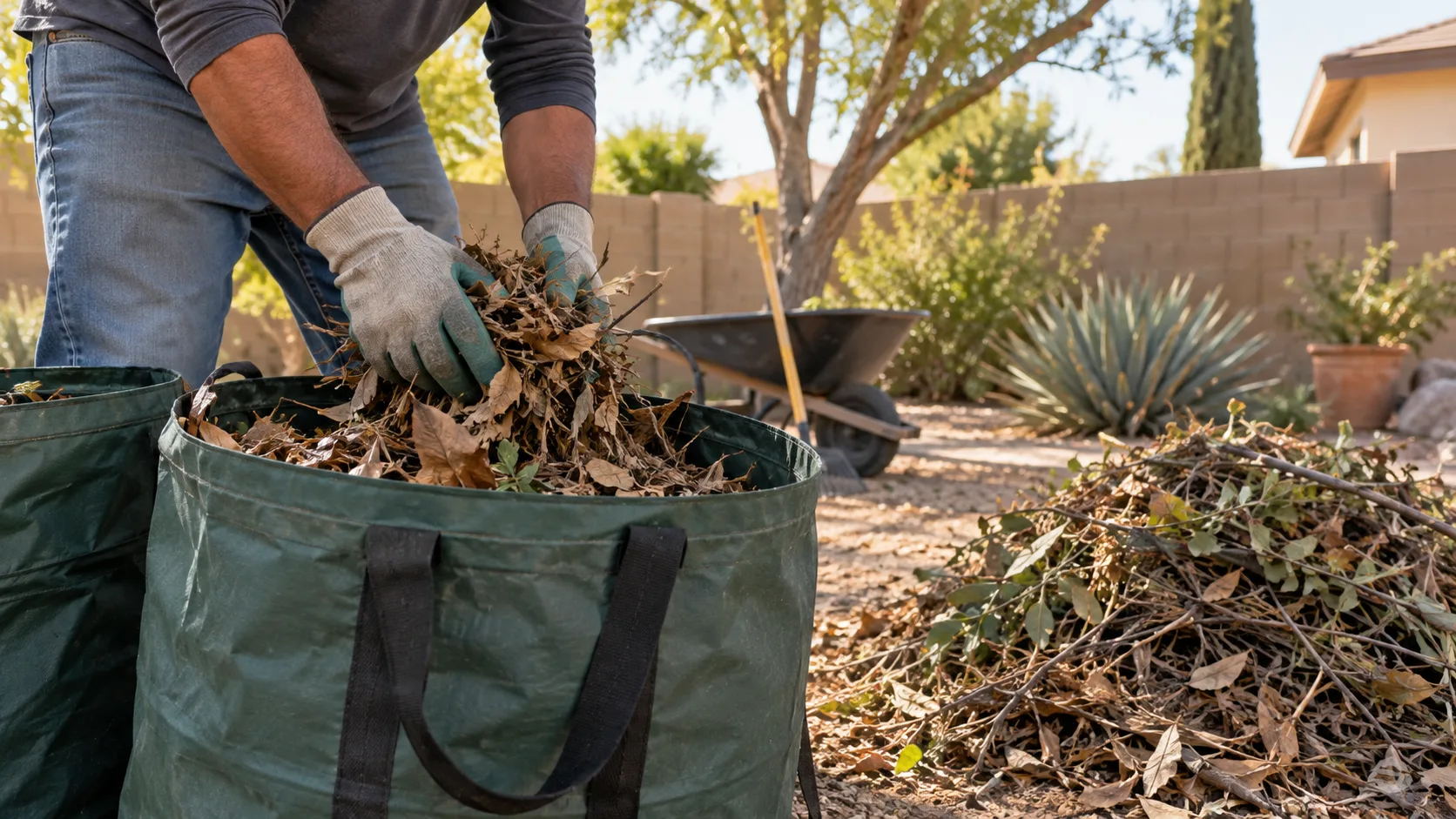 Keep the material visible
A better photo set beats a vague yard-cleanup description.
- MaterialBranches, leaves, brush, grass, storm material or clearing debris
- VolumePile dimensions, bags, bins and the largest individual pieces
- AccessGates, stairs, soft ground, turns and carry distance
- SeparationSoil, rock, lumber, trash and restricted material kept apart
Nearby planning pages
Every address and material set needs confirmation before scheduling.
Put the whole pile in one brief
List the material, dimensions, access and timing before the estimate conversation.